- Go to a basement, storm shelter, or interior room.

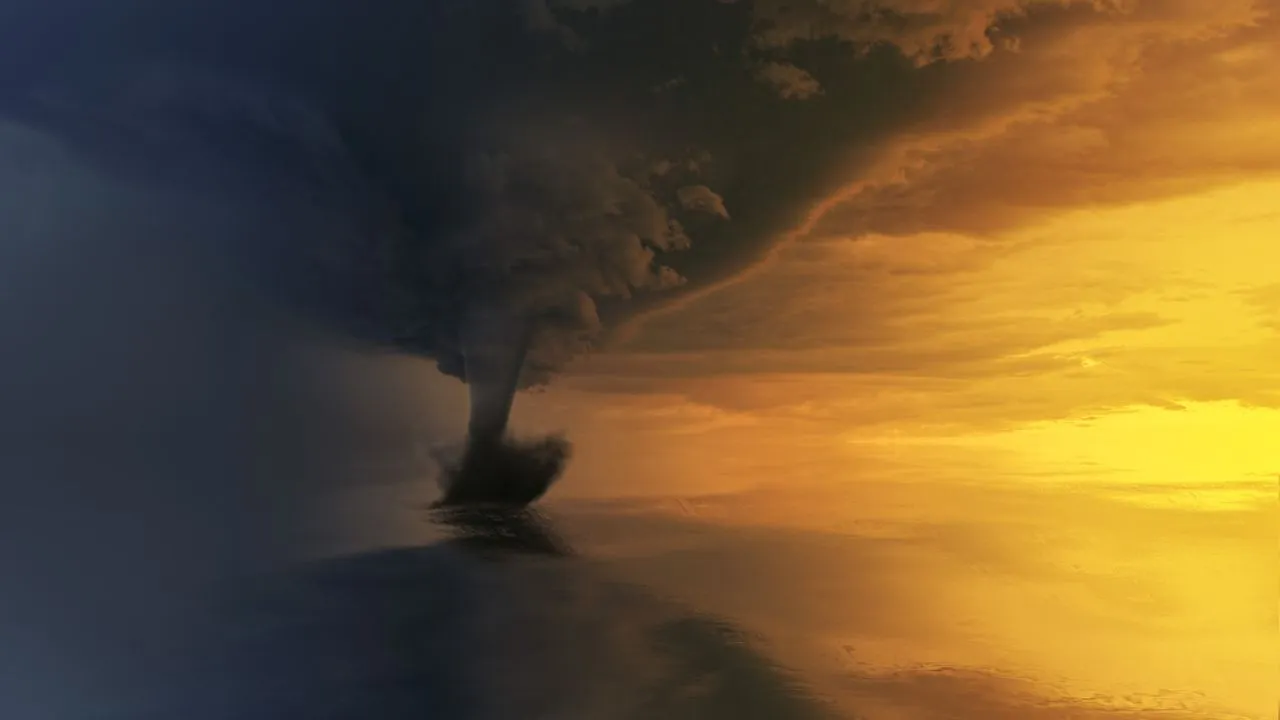
Tornadoes are among the most powerful and unpredictable weather events in the United States. They can develop quickly, change direction with little warning, and produce destructive winds capable of damaging homes, overturning vehicles, and creating dangerous flying debris. Knowing what to do before, during, and after a tornado can help protect you and your loved ones.
One of the most important parts of tornado preparedness is understanding the difference between a watch and a warning.
A tornado watch means that weather conditions are favorable for tornadoes to develop. It does not mean a tornado has been spotted, but you should stay alert, review your emergency plan, and monitor local weather updates.
A tornado warning means a tornado has been detected by weather radar or reported by trained spotters. If a warning is issued for your area, take shelter immediately. Do not wait to see the tornado before acting.
Preparation is the best way to reduce panic and improve safety during severe weather.
Determine the safest location in your home before severe weather threatens. The ideal shelter is:
Avoid mobile homes whenever possible, as they offer little protection from tornado-force winds. If you live in a mobile home, identify a nearby sturdy building or community storm shelter in advance.
Everyone in your household should know:
Conduct tornado drills at least twice each year.
Your tornado emergency kit should include:
Enable emergency alerts on your phone and identify reliable weather sources. Local television stations, weather apps, NOAA Weather Radio, and emergency management agencies can provide lifesaving information.
When a tornado warning is issued or you observe signs of an approaching tornado, act immediately.
Move to your designated safe location without delay.
Once inside:
Vehicles do not provide adequate protection from tornadoes.
If a sturdy building is nearby:
If no shelter is available:
Seek shelter in a sturdy building immediately. If none is available, move to the lowest ground possible and protect your head from debris.
Leave the mobile home immediately and seek shelter in a designated storm shelter or sturdy structure.
The danger does not always end when the storm passes.
Remain cautious of:
If you smell gas or suspect a leak, leave the area immediately and notify emergency services.
Text messaging often works better than phone calls when networks are overloaded. Let family and friends know you are safe as soon as possible.
If it is safe to do so:
Continue monitoring local news and emergency management updates. Additional storms, utility outages, and hazards may occur after the initial tornado.
Experiencing a tornado can be frightening and traumatic. It is normal to feel anxious, overwhelmed, or distressed afterward.
You cannot prevent tornadoes, but you can prepare for them. Understanding the difference between watches and warnings, identifying a safe shelter, maintaining emergency supplies, and practicing your response plan can significantly improve your ability to protect yourself and those around you.
Taking a few simple steps today may make all the difference when seconds matter most.